Practical Ways to Boost Energy Efficiency at Home
Making your home more energy efficient has two clear benefits: it helps you keep utility costs manageable while also ensuring you don’t use more resources than necessary. Whether you own your home or rent, you have plenty of control over your daily energy usage. From updating simple household habits to fine-tuning your heating and cooling systems, small steps can lead to substantial savings. Below, you’ll find practical, effective tips for improving your home’s energy efficiency, especially useful for Albertans who face both hot summers and cold winters.
1. Know Why Energy Efficiency Matters
Before diving into specific tips, it’s helpful to understand exactly why energy efficiency is so valuable. Besides saving money, using less energy means supporting a more sustainable power grid. Here in Alberta, many homes deal with fluctuating weather conditions throughout the year. By optimizing things like insulation, lighting, and thermostat settings, you not only maintain comfort in changing temperatures, but also keep costs under control.
Energy efficiency is a “customer-first” approach. Instead of forcing yourself to sacrifice comfort, it’s more about making practical home improvements and thoughtful daily decisions that can lower monthly utility bills. By staying mindful of how, where, and when you use electricity or natural gas, you’ll see positive results that last year-round.
2. Assess Your Current Energy Use
Every home has unique energy demands, based on factors like the size of your living space, the number of people in your household, and the efficiency of your appliances. The first step to making improvements is to get a baseline understanding of where your electricity or natural gas usage currently stands.
- Review past bills: Look over your utility statements for the last 12 months. This can help you identify patterns, such as higher usage in winter or spikes during the height of summer.
- Track daily habits: For at least a week, pay attention to when you normally switch on lights, run the dishwasher, or turn up the thermostat. Pinpointing your most energy-intensive routines helps you know where to focus.
- Consider a home energy audit: An in-depth home energy assessment can highlight where you stand to make savings—especially if your home is older. Professional auditors typically check insulation, air leaks, kitchen appliances, and more.
Once you have a clearer sense of your home’s overall energy profile, you can start targeting the areas that need improvement, whether that’s aging appliances or draft-proofing around your windows and doors.
3. Optimize Lighting
Lighting can become a hidden source of additional costs if you use older, inefficient bulbs or if your household tends to leave lights on unnecessarily. Certain small changes can significantly cut your electricity usage.
- Switch to LED bulbs: Light Emitting Diode (LED) bulbs use a fraction of the energy consumed by traditional incandescent bulbs, and they also last longer. While the initial price tag might be higher, you quickly recoup your investment in monthly savings.
- Use natural light: Whenever possible, open blinds or curtains during daylight hours so you can rely on natural lighting. This dampens your reliance on artificial light and makes your space more inviting.
- Install motion sensors or timers: Hallways, garages, and outdoor spaces can benefit from lighting that only runs when it’s actually needed. Motion sensors prevent you from forgetting to flip the switch off, while timers shut lights off automatically after set periods.
These practical tweaks mean your home draws less power, and the lights you do use will function more efficiently. It’s a quick win for any household looking to lower utility bills without sacrificing comfort.
4. Improve Heating and Cooling Efficiency
Heating and cooling your home is often the biggest portion of your overall energy bill—particularly in Alberta’s variable climate. If you manage these systems more effectively, you’ll save considerably throughout the year.
- Go easy on the thermostat: Changes of just one or two degrees can have a sizable impact. In winter, try setting your thermostat at around 20–21°C when you’re home and lowering it a bit while you sleep. In summer, setting the thermostat a bit higher keeps the AC from working overtime.
- Maintain the system: Clean or replace furnace and AC filters as recommended—sometimes monthly during peak usage. When filters clog, systems work harder to push air, using more energy and raising your bill.
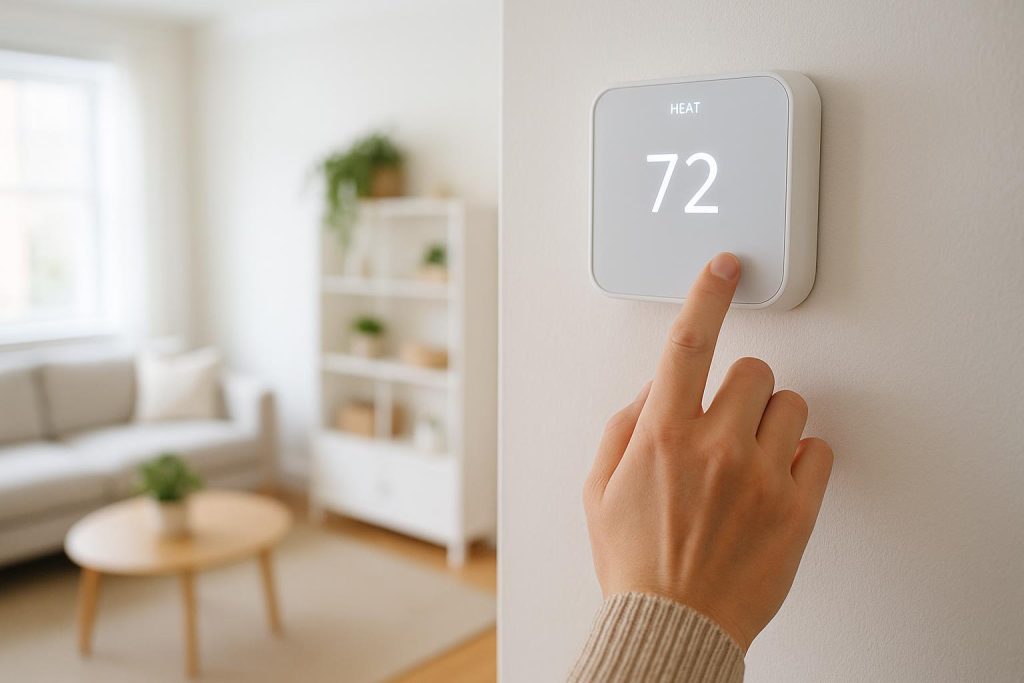
- Consider a programmable thermostat: If you work a fixed schedule, a programmable or smart thermostat can automatically adjust temperatures when you’re away. This prevents unnecessary heating or cooling an empty house.
- Seal leaks: The biggest enemy of efficient heating and cooling systems is air leakage around doors, windows, and ductwork. Use weatherstripping, caulk, or foam sealant to block cold drafts in winter or unwanted hot air in summer.
Any small step that keeps your warmed or cooled air indoors translates into lower costs. This is especially important in areas like Edmonton or Calgary, which can experience temperature extremes in both winter and summer months.
5. Weatherize and Insulate Your Home
It’s hard for even the most advanced heating and cooling system to compensate for a poorly insulated house. The better your insulation and weatherization, the easier it is to achieve a stable indoor temperature year-round.
- Upgrade insulation: Attics and basements tend to be major sources of heat loss, especially if they lack sufficient insulation. Add or replace insulation materials with high R-values, which measure heat resistance.
- Install weatherstripping: Doors and windows often have tiny gaps that let in chilly drafts or let out cooled air. Quality weatherstripping helps maintain consistent indoor temperatures and ensures you’re not wasting energy.
- Use energy-efficient windows: If you have older, single-pane windows, consider upgrading to double- or triple-pane units. While there can be a higher upfront cost, these windows prevent heat transfer and reduce outside noise.
Though some of these projects require a bit more investment, improving your home’s overall envelope can offer substantial savings for years to come. In Alberta’s colder corridors, updated insulation often pays for itself within a handful of heating seasons.
6. Use Appliances Wisely
Large home appliances like refrigerators, dishwashers, washers, and dryers are essential—yet they often consume a lot of energy. Learning to maximize efficiency can make a significant difference in your monthly costs.
- Look for energy ratings: When replacing an appliance, consider models with strong energy efficiency ratings. A refrigerator or washing machine that operates with advanced features can cut energy use by dozens of kilowatt-hours each year.
- Run full loads: Dishwashers and laundry machines should be used only when they’re fully loaded. Running multiple small loads uses more electricity and water than one large load.
- Clean dryer vents: Lint buildup restricts airflow and forces your dryer to run longer, using more electricity. Clean out lint filters after every load and check dryer ducts regularly for blockages.
- Use cold water for laundry: For many items, cold water is sufficient. Heat your water only for heavily soiled clothes, saving energy (and money) in the process.
Appliance usage is often shaped by lifelong habits. Adjusting those habits—like waiting to do laundry until you have a full load—is a low-effort, high-impact way to save on monthly utility bills. Over time, it also prolongs the life of those machines, reducing the need for repairs or replacements.
7. Leverage Smart Technology
Embracing a bit of modern tech can make a big difference in your home’s energy efficiency. From thermostats that learn your schedule to phone apps that show real-time power usage, smart devices help you make well-informed decisions about how to heat, cool, or light your home.
- Smart thermostats: These devices can learn your temperature preferences over time and automatically adjust for maximum comfort and efficiency. Some even provide data on how often your system runs, helping you fine-tune your approach.
- Smart plugs and power strips: A surprising amount of energy gets used by devices left plugged in—even when they’re turned off. Smart plugs let you cut power to certain electronics when not in use, and some let you create schedules or power-down devices remotely from your phone.
- Real-time usage monitoring: Companies offer home energy monitors that pair with your electrical panel to track how much electricity is consumed by different circuits in your home. With this data, you can isolate high-consuming appliances and adjust your routine accordingly.
A few simple tech upgrades become your allies in maintaining a “customer-first,” efficient home. Tools that automatically adjust energy usage or give you granular insights can save you time, money, and effort in the long run.
8. Routine Maintenance and Long-Term Savings
Ongoing upkeep of your home’s systems and appliances is crucial. Even small maintenance tasks ensure that equipment runs efficiently and lasts as long as it should.
- Service HVAC systems: An annual tune-up from a qualified technician can keep your furnace and air conditioner performing at their best.
- Keep ventilation clear: Blocked vents—whether from furniture or dust—force your HVAC to work harder to circulate air. Make sure vents remain open and unobstructed.
- Monitor for leaks: A leaky hot water tank or drip in your plumbing can signal bigger energy waste if water must be heated repeatedly. Fixing leaks promptly prevents costly water damage and high utility bills.
With steady maintenance, you minimize unexpected problems and keep your home resilient in the face of Alberta’s weather extremes. A well-maintained furnace, for instance, can steadily heat your home at a lower cost, letting you redirect savings elsewhere.
9. Explore Your Energy Plan Options
While improving your home’s efficiency is essential, an equally important step is ensuring you choose the most suitable electricity or natural gas plan for your needs. Albertans frequently have the option to pick between fixed-rate or variable-rate plans, each with its own advantages and level of predictability.
- Fixed-rate plans: These plans allow you to lock in a predictable rate for a set period, offering stability when budgeting. If you’re aiming for straightforward monthly costs, fixed-rate services can be especially beneficial.
- Variable-rate plans: If you prefer to follow market trends or expect prices to fluctuate downward, a variable-rate plan might be more fitting. However, you also risk higher costs if market rates spike.
- Compare providers: It’s wise to look at a few different companies and see who offers simple and affordable options. Check aspects like customer service, local support, and the ease of switching providers.
- Consult rate information: For clear and up-to-date details, you can visit the Rates page and compare what different plans provide. Knowing what each rate entails helps you make an informed decision.
Going with an Alberta-based utility that genuinely understands local conditions can provide a better overall experience. For instance, some providers focus on local support and flexible options that let homeowners choose their plan confidently. If you think your current utility arrangement doesn’t suit your lifestyle anymore, a quick review of your alternatives could save you money down the line.
10. Build Better Daily Habits
Although home upgrades and smart devices play a big role, your everyday behavior is just as critical for promoting energy savings. Sometimes, it’s the simplest ongoing adjustments that yield the largest impact.
- Turn off unused electronics: Televisions, gaming consoles, and computer monitors often remain in standby mode, continuing to pull electricity. Switch them off completely when not in use.
- Schedule chores strategically: Consider doing laundry or running the dishwasher during off-peak hours, if your rate plan allows. In some areas, energy costs are higher during peak demand times.
- Close curtains at night: This helps contain heat in winter and block out warm air in summer, saving on heating or cooling.
- Double-check your water heating: Lowering your water heater’s thermostat can reduce energy consumption without sacrificing comfort. A slight dip in water temperature still meets most needs just fine.
By training yourself and your family members to be more conscious of how systems run, you’ll reinforce the savings from any bigger investments you’ve made in appliances, insulation, or windows. Over time, these better habits become second nature, making your home environment more efficient every day.
Looking Ahead
Achieving a more energy-efficient home is a gradual process, and it doesn’t require massive renovations or a total lifestyle overhaul. Start small—replacing older light bulbs, caulking drafty windows, or adjusting thermostat settings by a degree or two. Each minor tweak adds up, especially over Alberta’s varied seasons.
If you’re thinking about switching utility providers or exploring new plan options, consider ones that underscore reliability, transparency, and local expertise. By combining a customer-first mind-set with simple and affordable practices, you’ll find that keeping your home energy efficient becomes a natural part of daily life. In return, you can enjoy lower bills, a more comfortable living space, and the peace of mind that comes with effective, straightforward energy plans.
In the end, energy efficiency is about finding the perfect balance between comfort and responsibility. By addressing every facet—from appliances and weatherization to daily habits and smart energy plans—you can keep running a cozy home while ensuring you’re not using more energy than you truly need. In a province known for temperature extremes, being proactive about efficiency benefits both your household budget and overall well-being.